- cecil@wwairspecialistllc.com
- (956)-556-1380
- Servicing San Antonio & Rio Grande Valley!


HVAC Airflow Balancing: The Missing Step in Most Installations
When a new HVAC system is installed, most homeowners assume comfort issues will disappear instantly. While the system may cool or heat the home, many installations overlook one critical step that directly impacts comfort, efficiency, and system lifespan: airflow balancing.
Without proper airflow balance, even a high quality HVAC system cannot perform the way it was designed to. This is one of the most common reasons homeowners experience uneven temperatures, high energy bills, and ongoing comfort complaints.
What Is HVAC Airflow Balancing?
HVAC airflow balancing is the process of adjusting your system so each room receives the correct amount of conditioned air. Every home has different airflow needs based on layout, duct design, insulation, and system size.
When airflow is balanced correctly:
- Each room maintains a consistent temperature
- The HVAC system runs more efficiently
- Wear on components is reduced
- Indoor air quality improves
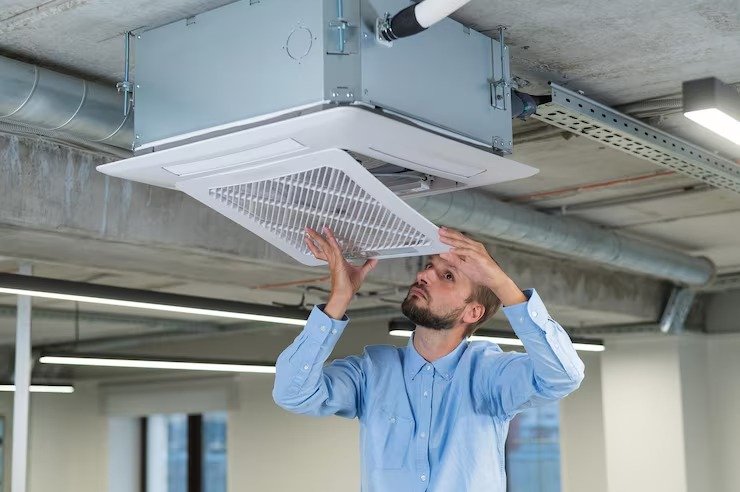
This process involves measuring airflow at each vent and making precise adjustments to dampers, registers, and system settings. Simply opening or closing vents is not true airflow balancing.
Why Proper Airflow Balance Is So Important
Even Comfort Throughout the Home
If some rooms feel too hot while others feel too cold, airflow imbalance is often the cause. Balanced airflow ensures every room receives the right amount of heating or cooling, eliminating hot and cold spots.
This is especially important in larger homes or properties with multiple zones or additions.
Lower Energy Bills and Better Efficiency
When airflow is uneven, your HVAC system works harder to reach the thermostat setting. This leads to longer run times and unnecessary energy use.
Balanced airflow allows your system to operate efficiently, which helps lower monthly utility costs. This ties directly into seasonal performance, especially during extreme heat. For related tips, see Preparing Your HVAC System for Summer Heat in the Rio Grande Valley.
Longer Equipment Lifespan
Unbalanced airflow places extra strain on components like the blower motor and compressor. Over time, this leads to premature breakdowns and costly repairs.
Regular maintenance combined with airflow evaluation can prevent these issues. You can learn more about proactive care in HVAC Service vs. HVAC Repair: Which Does Your System Need?
Common Signs Your HVAC System Needs Airflow Balancing
Many homeowners live with airflow issues without realizing the cause. Common warning signs include:
- Rooms that never reach the desired temperature
- Weak airflow from certain vents
- The system running constantly without improving comfort
- High energy bills with no clear explanation
If these issues sound familiar, airflow balancing may be the missing solution.
Why Most HVAC Installations Skip Airflow Balancing
Most standard HVAC installations focus on equipment size and basic duct connections. Airflow balancing requires additional testing, tools, and time, which is why it is often skipped.
Over time, airflow can also change due to:
- Settling or aging ductwork
- Renovations or room additions
- Furniture blocking vents
- Dirty or restricted ducts
This is why even older systems can benefit from airflow balancing and duct evaluation. If duct health is a concern, see Duct Cleaning Tips for New Homeowners in the Rio Grande Valley.
How Professional Airflow Balancing Works
A professional airflow balancing service typically includes:
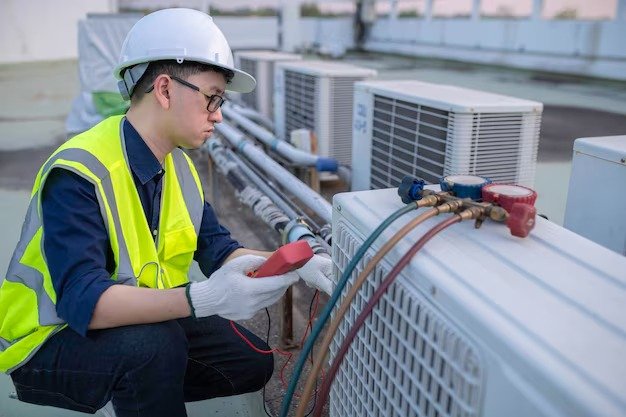
- Measuring airflow at each supply and return vent
- Inspecting ductwork for leaks or restrictions
- Adjusting dampers and registers
- Optimizing fan speed and system controls
- Verifying consistent temperatures throughout the home
This process ensures your system delivers comfort evenly and efficiently.
Airflow Balancing and Indoor Air Quality
Balanced airflow also plays an important role in indoor air quality. When air circulation is uneven, dust, allergens, and moisture can build up in certain areas of the home.
Proper airflow helps your filtration system work more effectively and supports cleaner indoor air. This works hand in hand with the concepts explained in Air Purifiers vs HVAC Filters.
If allergies are a concern, you may also find value in HVAC Tips for Homeowners with Allergies in the Rio Grande Valley.
Why Airflow Matters When Choosing an HVAC System
Airflow performance is just as important as choosing the right type of system. Whether you are considering a central air system or ductless equipment, proper airflow design and balancing determine long term comfort.
For homeowners comparing options, read Mini Split vs Central AC: Which Is Best for Your Home?
Schedule Professional Airflow Balancing With WW Air Specialist
Airflow balancing is one of the most overlooked yet impactful steps in HVAC performance. When done correctly, it improves comfort, reduces energy costs, and protects your investment.
At WW Air Specialist LLC, we provide professional airflow evaluations, duct assessments, and HVAC maintenance tailored to Rio Grande Valley homes. Contact us today to schedule service and experience the difference proper airflow balancing can make.