- cecil@wwairspecialistllc.com
- (956)-556-1380
- Servicing San Antonio & Rio Grande Valley!

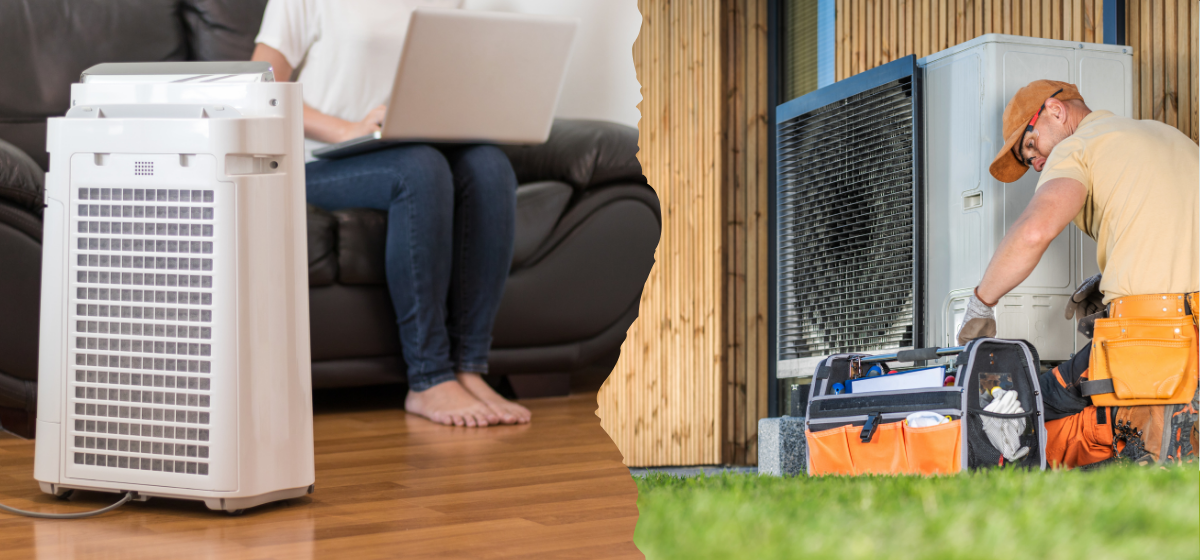
Air Purifiers vs HVAC Filters: What’s the Difference?
Indoor air quality has a direct impact on comfort, health, and overall well-being. Dust, pollen, pet dander, smoke, and other airborne pollutants circulate through homes every day, often unnoticed. To improve air quality, homeowners commonly hear about air purifiers vs HVAC filters, but many aren’t sure how they differ or which option is best.
While both play an important role in keeping indoor air cleaner, they serve very different purposes. Understanding how each works, and when to use them together, can help you create a healthier indoor environment.
What Are HVAC Filters?
HVAC filters are installed inside your heating and cooling system and act as the first line of defense against airborne debris. As air is pulled into the system, the filter traps dust, pollen, lint, and other larger particles before air is circulated back into your home.
The primary role of an HVAC filter is to:
- Protect HVAC equipment from dust buildup
- Maintain proper airflow
- Provide basic, whole-home air filtration
Filters are rated using the MERV (Minimum Efficiency Reporting Value) scale. Higher MERV ratings capture smaller particles, but not all systems are designed to handle high-efficiency filters without restricting airflow.
Proper filter maintenance is a key part of overall HVAC care. In fact, routine filter replacement is often addressed during professional servicing, which is why it’s helpful to understand the difference between HVAC service and HVAC repair when maintaining your system.
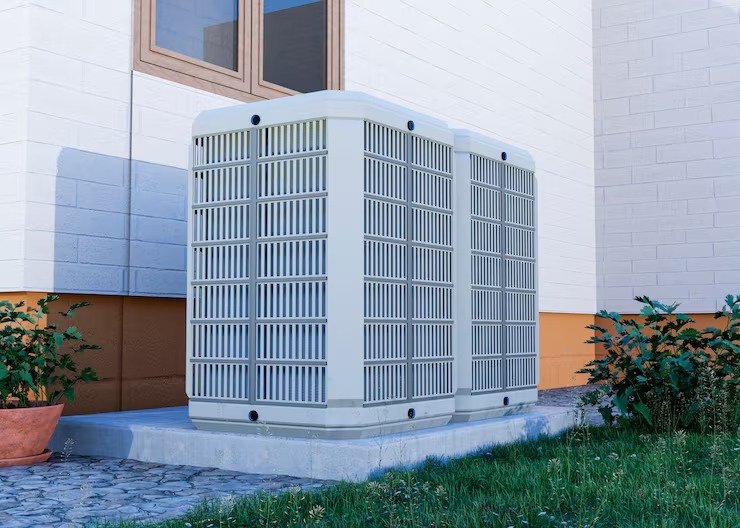
Limitations of HVAC Filters
- Not designed to remove odors, gases, or VOCs
- Limited effectiveness against very fine particles like smoke
- Filtration only occurs when the HVAC system is running
What Are Air Purifiers?
Air purifiers are standalone devices built specifically to clean indoor air. Unlike HVAC filters, they work independently and focus entirely on improving air quality in a specific room or zone.
Most modern air purifiers use a multi-stage filtration process that includes:
- Pre-filters for large particles
- True HEPA filters for fine particles like allergens, mold spores, and smoke
- Activated carbon filters for odors and chemical pollutants
Because they continuously circulate and clean air in a room, air purifiers are especially helpful in bedrooms, living rooms, offices, and spaces where people spend the most time.
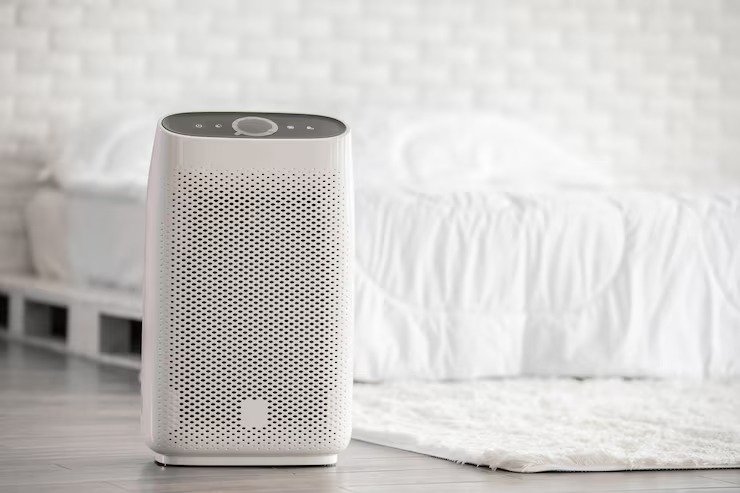
Strengths of Air Purifiers
- Excellent at capturing fine and microscopic pollutants
- Effective for allergy and asthma relief
- Can reduce odors, smoke, and VOCs
- Operate even when HVAC systems are off
Limitations
- Limited coverage (room-by-room)
- Filters require periodic replacement
- Do not protect HVAC equipment
Air Purifiers vs HVAC Filters: Key Differences
Coverage
- HVAC filters treat air throughout the home via central circulation.
- Air purifiers clean air in specific rooms.
Filtration Capability
- HVAC filters capture larger particles and protect the system.
- Air purifiers capture much smaller particles, including allergens and smoke.
Odor & Chemical Removal
- HVAC filters generally do not remove odors or gases.
- Air purifiers with carbon filters are designed for this purpose.
Maintenance
- HVAC filters typically need replacement every 1–3 months.
- Air purifier filters usually last 6–12 months, depending on usage.
Do You Need Both?
For many homes, the best solution is using both together.
HVAC filters provide consistent, whole-home filtration and protect your system, while air purifiers deliver targeted air cleaning where it matters most. This layered approach is especially useful in homes with:
- Allergy or asthma sufferers
- Pets
- High dust or pollen exposure
- Seasonal air quality changes
Seasonal maintenance also plays a role in filtration effectiveness. During colder months, ensuring your system is prepared, including checking filters, helps maintain both performance and air quality.
How to Choose the Right Option
Choose HVAC filters if:
- You want whole-home, basic air filtration
- Your goal is HVAC system protection
- You’re maintaining airflow efficiency
Choose air purifiers if:
- You need relief from allergens or smoke
- Odors or VOCs are a concern
- You want continuous air cleaning in key rooms
Choose both if:
- You want the most comprehensive indoor air quality solution
Final Thoughts
Air purifiers and HVAC filters are not competitors, they’re complementary tools. HVAC filters keep your system running efficiently and provide baseline filtration, while air purifiers focus on improving the air you breathe in specific spaces. When used together and maintained properly, they can significantly improve indoor comfort and air quality year-round.
Frequently Asked Questions (FAQs)
Q: Can an HVAC filter replace an air purifier?
Ans: No. HVAC filters handle system protection and basic filtration, but they cannot remove fine particles, odors, or gases as effectively as air purifiers.
Q: How often should HVAC filters be changed?
Ans: Most filters should be replaced every 1–3 months, depending on pets, dust levels, and system usage.
Q: Do air purifiers help with allergies?
Ans: Yes. Air purifiers with True HEPA filters are highly effective at removing airborne allergens.
Q: Can air purifiers remove odors?
Ans: Only models with activated carbon filters can reduce odors and VOCs.