- cecil@wwairspecialistllc.com
- (956)-556-1380
- Servicing San Antonio & Rio Grande Valley!

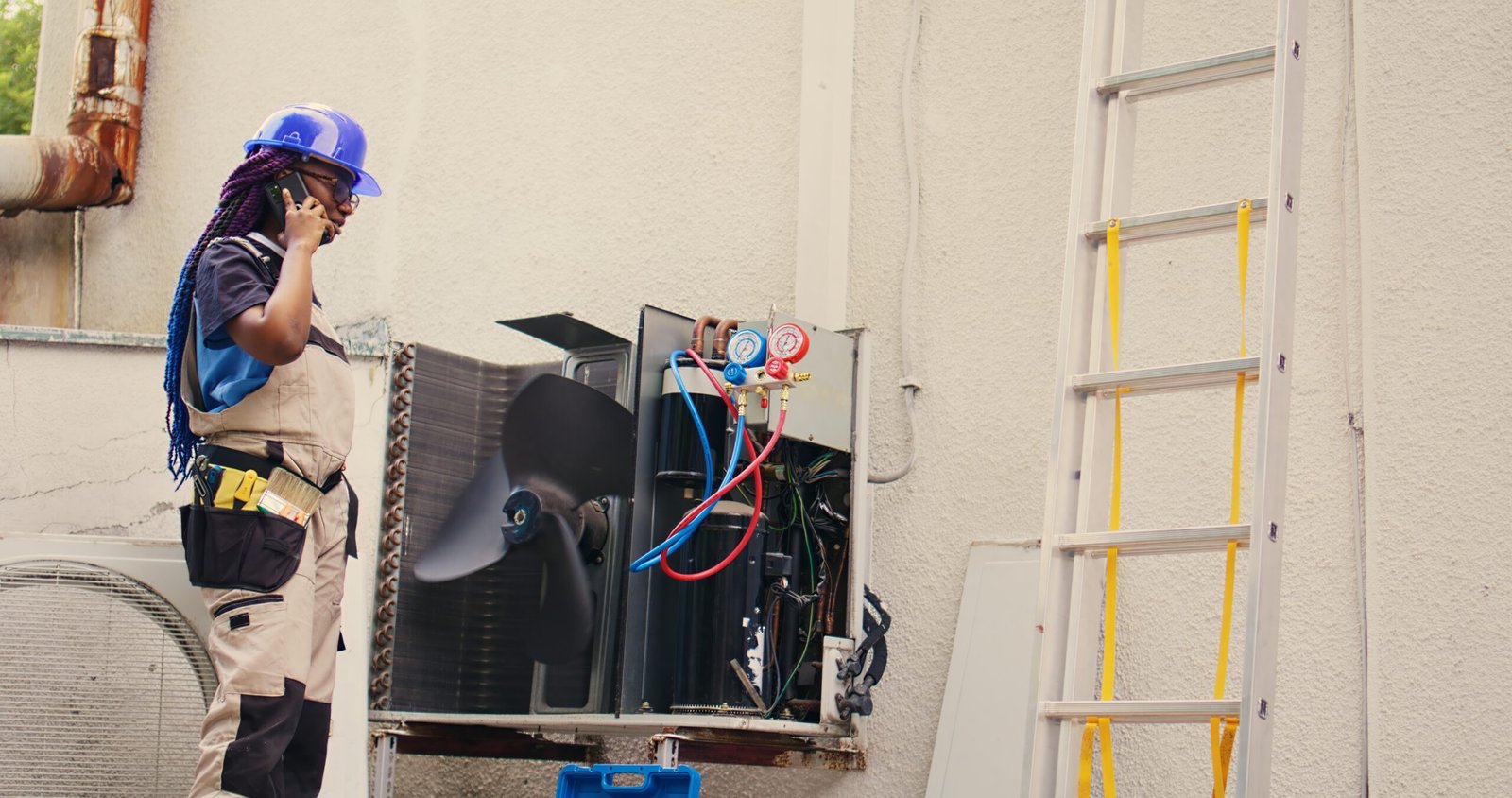
High Humidity, Short Cycling & Mold: How Texas Climate Damages HVAC Systems
Living in Texas means dealing with extreme heat, but heat is only part of the challenge for homeowners. High humidity, frequent short cycling, and mold growth can quietly damage HVAC systems, reduce comfort, and increase energy costs. Many homeowners do not realize these problems are connected until they start experiencing breakdowns or poor indoor air quality.
Understanding how Texas climate conditions affect your HVAC system can help you prevent costly repairs and keep your home comfortable year round.
Why High Humidity Is a Serious HVAC Problem in Texas
Texas air often contains a high level of moisture, especially during long summer months. When humidity levels remain high, your air conditioner must work harder to remove both heat and moisture from the air.
Excess humidity can cause several issues inside your home:
- Rooms feel sticky or uncomfortable even when cooled
- Air conditioners run longer than necessary
- Energy bills increase
- Moisture builds up inside the HVAC system
Over time, this extra strain shortens the lifespan of key components and reduces overall efficiency.
What Is Short Cycling and Why It Happens in Humid Climates
Short cycling happens when an air conditioner turns on and off too frequently instead of running full cooling cycles. A healthy system should run long enough to remove heat and humidity effectively.
In Texas homes, short cycling often occurs because:
- The HVAC system is oversized for the home
- Indoor humidity levels are too high
- Thermostats are improperly placed or outdated
- Airflow problems prevent proper cooling
When short cycling occurs, your system cools the air quickly but does not remove moisture. This leads to uneven temperatures, wasted energy, and excessive wear on the compressor and electrical components.
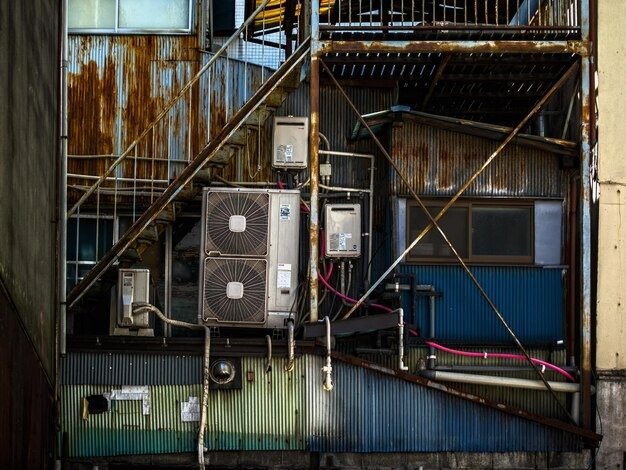
How Mold Develops Inside HVAC Systems
High humidity combined with condensation creates ideal conditions for mold growth. When warm air meets cold surfaces inside your HVAC system, moisture collects in places like coils, drain pans, ductwork, and air handlers.
Mold inside an HVAC system can cause:
- Musty odors throughout the home
- Poor indoor air quality
- Allergy symptoms and respiratory irritation
- Damage to system components
Once mold begins to spread, it can circulate through your ducts every time the system runs, affecting the entire home.
Protecting Your HVAC System From Humidity and Mold
Schedule Regular HVAC Maintenance
Routine maintenance is one of the most effective ways to control moisture and prevent mold. During a professional service visit, technicians inspect drain lines, clean coils, check airflow, and ensure the system is operating efficiently.
Seasonal maintenance also helps identify issues before they lead to short cycling or system failure.
You can learn more about seasonal preparation in our blog: How to Ensure Your HVAC System Is Ready for Winter
Improve Indoor Air Quality and Moisture Control
Standard HVAC filters remove dust, but they do not always address moisture or airborne contaminants. Additional solutions such as air purifiers, upgraded filtration, or humidity control systems can significantly improve indoor air quality.
For a deeper comparison, read: Air Purifiers vs HVAC Filters: What Is the Difference?
Address Drainage and Airflow Issues Early
Blocked condensate drains and poor airflow allow moisture to remain inside the system. Regular inspections ensure water drains properly and air moves freely, reducing the chance of mold growth and short cycling.
Warning Signs Your HVAC System Is Struggling
If you notice any of the following, humidity or mold may already be affecting your system:
- AC turning on and off frequently
- Musty or damp smells from vents
- Visible mold near air registers
- Condensation on ducts or windows
- Indoor air feeling humid despite cooling
Early action can prevent more serious damage and costly repairs.
Trust WW Air Specialist for Texas HVAC Solutions
Texas climate conditions are demanding, and your HVAC system needs expert care to handle heat and humidity effectively. At WW Air Specialist LLC, we understand how moisture, short cycling, and mold impact system performance and indoor comfort.
Our team provides reliable maintenance, humidity control solutions, and professional service designed specifically for Texas homes.
Contact WW Air Specialist today to schedule service and protect your HVAC system for the long term.