- cecil@wwairspecialistllc.com
- (956)-556-1380
- Servicing San Antonio & Rio Grande Valley!


Mini-Split vs Central AC: Which Is Best for Your Home?
Selecting the right cooling system is important for comfort, energy use, and long-term savings. Many homeowners today compare two popular options: mini-split (ductless) air conditioners and central air conditioning systems. While both cool your home effectively, they work differently and offer unique advantages depending on your house design, budget, and cooling needs.
This blog breaks down how each system works, their pros and cons, costs, and which option may be better for your home.
What Is a Mini-Split System?
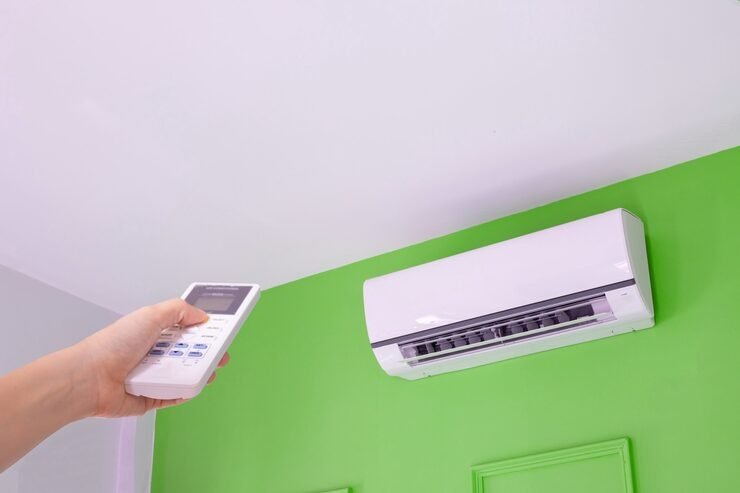
A mini-split, also known as a ductless AC, does not rely on ductwork. Instead, it uses:
- An outdoor unit
- One or more indoor air handlers (usually wall-mounted)
Refrigerant lines run between the indoor and outdoor units to cool specific rooms or zones.
How Mini-Splits Work
Each indoor air handler cools the room it is installed in. You can set a different temperature in every room, making it a good option for families who prefer personalized comfort.
- Older homes without ducts
- Room additions, garages, or sunrooms
- Homes where different rooms need different temperature settings
What Is a Central AC System?
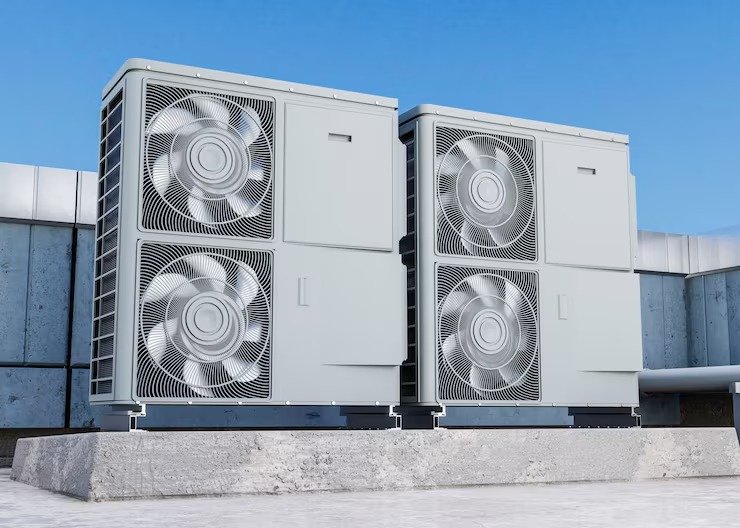
A central AC system cools air in one main location and distributes it through ductwork to rooms across your home. It uses:
- A central air handler
- An indoor evaporator coil
- A network of ducts
- Supply and return vents
How Central AC Works
Warm air is pulled into return ducts, cooled inside the central unit, and then pushed back into rooms through supply vents.
Best For
- Homes already equipped with ductwork
- Whole-house cooling
- Homeowners who prefer a simple thermostat-controlled system
How Central AC Works
| Feature | Mini-Split (Ductless AC) | Central AC |
| Installation | No ductwork needed; quicker installation | Requires ductwork; longer installation time |
| Best For | Homes without ducts, room additions, targeted cooling | Homes with existing ducts; whole-home cooling |
| Upfront Cost | Higher per indoor unit | More affordable if ducts already exist |
| Energy Efficiency | High; no duct losses; zoned cooling | Moderate; duct losses can reduce efficiency |
| Temperature Control | Individual room control | Single thermostat (zoning optional but extra) |
| Appearance | Indoor units visible on walls | Hidden system; only vents visible |
| Noise Levels | Very quiet indoors | Slight noise from vents and outdoor compressor |
| Maintenance | Filters cleaned often; routine servicing | Annual tune-ups; duct cleaning every few years |
| Coverage | Ideal for single rooms or small areas | Best for full-home cooling |
| Monthly Operating Cost | Lower due to high efficiency | Can be higher if ducts leak or home is large |
Mini-Split: Pros and Cons
Central AC: Pros and Cons
Pros
- No ductwork required
- Extremely energy-efficient
- Quiet operation
- Room-by-room temperature control
- Good for new additions or older homes
Cons
- Indoor units are visible
- Higher upfront cost for multi-room setups
- May require multiple indoor units for large homes
Pros
- Provides consistent cooling throughout the home
- Better aesthetics as vents are discreet
- More cost-effective if your home already has ducts
- One central thermostat makes it simple to use
Cons
- Can lose energy through duct leaks
- May cool the entire house even when not needed
- Installation cost can be high if ductwork is old or missing
Which System Should You Choose?
Choose a Mini-Split If:
- Your home doesn’t have ductwork
- You want to reduce monthly energy costs
- You prefer different temperatures in different rooms
- You only need cooling in specific areas
Choose Central AC If:
- Your home already has ducts in good condition
- You want uniform cooling for the entire house
- You prefer a hidden, vent-only look
- You want one central control panel
Final Thoughts
Both mini-split and central AC systems can provide reliable cooling, but each works best in different situations. The right choice depends on your home’s design, your family’s comfort preferences, and your long-term budget.
If you’re unsure which option fits your home, the experts at WW Air Specialist, can help. Our team can inspect your home, understand your cooling needs, and recommend the best system for comfort and efficiency.